Introduction
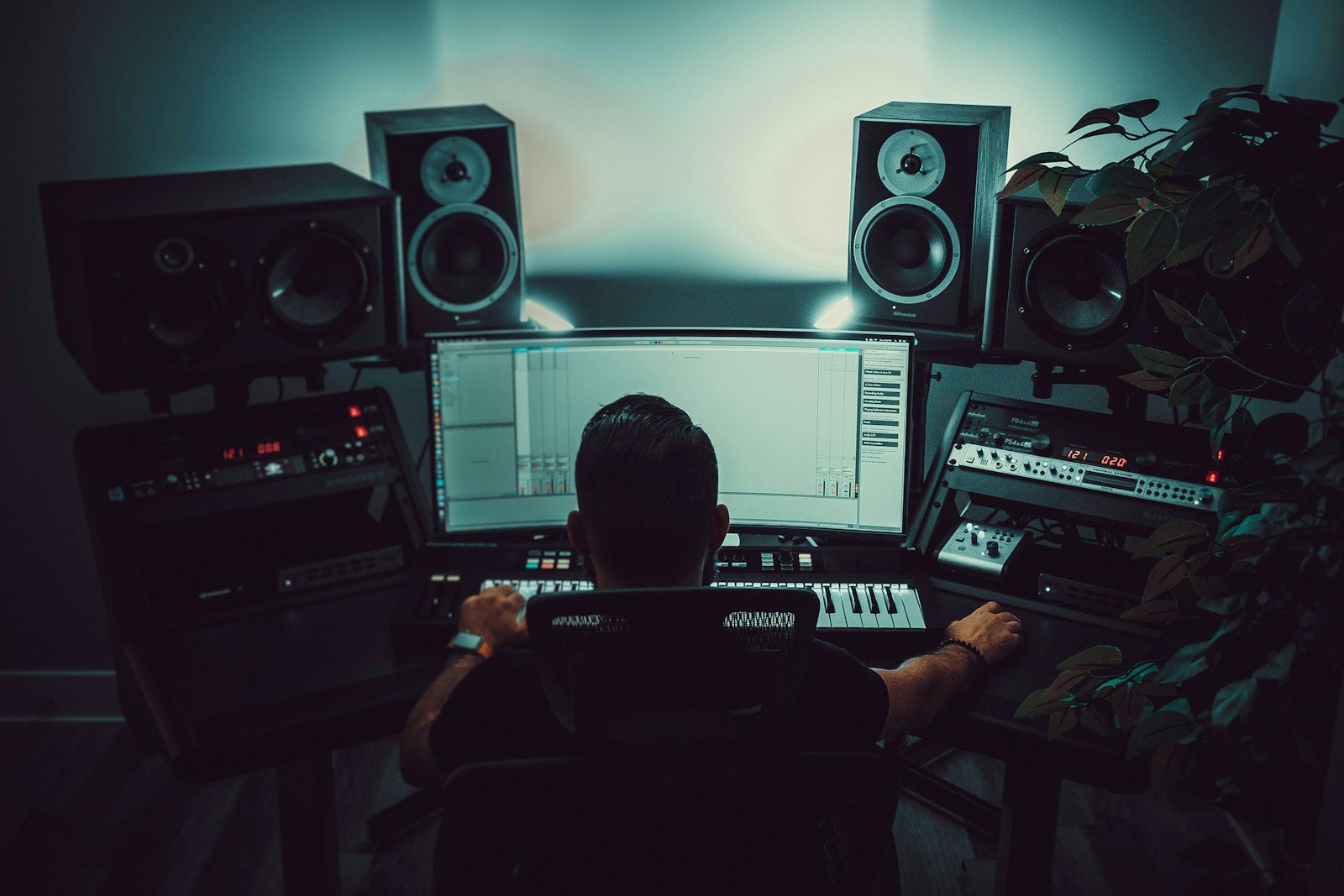
For audio professionals and enthusiasts, studio monitors are an essential tool for accurate sound reproduction. Unlike consumer speakers, studio monitors provide a flat frequency response, allowing you to hear your audio exactly as it is. Whether you’re mixing music, editing videos, or producing podcasts, investing in the right studio monitors can significantly improve your work. This guide explores the features of studio monitors, offers buying tips, and highlights the best-selling models on the market.
Key Features of Studio Monitors
Studio monitors are specifically designed to offer precise and neutral sound, making them ideal for professional audio work. Here are their standout features:
1. Flat Frequency Response
Unlike regular speakers, studio monitors are built to deliver a neutral frequency response, ensuring accurate sound reproduction without coloration.
2. Near-Field Design
Most studio monitors are designed for near-field listening, meaning they are optimized for close-range use to minimize room acoustics’ influence on the sound.
3. Active vs. Passive Monitors
- Active Monitors: Include built-in amplifiers, simplifying setup.
- Passive Monitors: Require an external amplifier, offering more customization options.
4. Room Calibration
High-end models often include room calibration features to adjust the sound based on your environment, ensuring consistent performance.
5. Build Quality
Durable enclosures and quality components ensure longevity and consistent audio performance.
6. Connectivity Options
Studio monitors typically feature XLR, TRS, or RCA inputs, allowing seamless integration with audio interfaces and mixers.
Tips for Buying the Right Studio Monitors
Choosing the right studio monitors depends on your workspace, budget, and audio needs. Here are some factors to consider:
1. Understand Your Workspace
- Small Rooms: Opt for smaller monitors with 5-inch woofers to avoid overwhelming the space.
- Larger Rooms: Consider monitors with 8-inch woofers for better bass response.
2. Set a Budget
Studio monitors range from budget-friendly models under ₹15000-20000 to high-end systems exceeding ₹30000. Decide on a budget that aligns with your needs.
3. Consider Frequency Range
Look for monitors with a wide frequency range to ensure you hear both low and high frequencies accurately.
4. Evaluate Placement and Acoustics
Ensure your monitors are positioned at ear level and consider adding acoustic treatment to your room for optimal performance.
5. Check for Adjustable Controls
Features like high- and low-frequency trim controls allow you to tailor the sound to your preferences and room acoustics.
Top 5 Best-Selling Studio Monitors
Here are some of the most popular studio monitors known for their performance and reliability:
No products found.
Must-Have Accessories for Studio Monitors
- Monitor Stands: Improve placement and reduce vibrations.
No products found.
- Isolation Pads: Minimize resonance and enhance sound accuracy.
No products found.
- Audio Interfaces: Ensure high-quality signal transmission to your monitors.
No products found.
- Cables: Use balanced XLR or TRS cables for clean audio.
No products found.
No products found.
- Acoustic Panels: Reduce reflections and improve room acoustics.
No products found.
Conclusion
Studio monitors are an essential investment for anyone serious about audio production. By understanding their features, evaluating your workspace, and exploring the best-selling models, you can find the perfect monitors to elevate your sound quality. Whether you’re mixing tracks, editing videos, or creating podcasts, the right studio monitors will help you achieve professional results.
Hear your audio like never before!
Create magic at our state-of-the-art Virtual Studio—perfect for video shoots, corporate films, training videos, live-events, webcasts and more! Book Now 🎥✨
Disclosure: As an Amazon Associate, Virtual Studio earns from qualifying purchases. This comes at no additional cost to you and helps support our work.