Top 43-Inch TVs in the USA (2025) – Best Picks & Buying Guide

Top 43-Inch TVs in the USA (2026) – Best Picks & Buying Guide

Introduction

In 2026, 43-inch TVs continue to be a popular choice for many households in the USA. Their compact size makes them ideal for bedrooms, apartments, and smaller living rooms, while still offering impressive picture quality and smart features. With advancements in technology, today’s 43-inch TVs come equipped with 4K resolution, HDR support, AI-enhanced picture processing, and integrated streaming platforms. This guide will help you navigate the top models available on Amazon and provide insights into what to look for when making your purchase.

Why Choose a 43-Inch TV?

A 43-inch TV strikes a balance between size and functionality. It’s large enough to provide an immersive viewing experience but compact enough to fit in tighter spaces. Whether you’re watching your favourite shows, gaming, or streaming movies, a 43-inch TV offers versatility and performance without overwhelming your room.

The Midrange Gap Explained

You might notice a curious trend when shopping for a 43-inch TV: there’s an abundance of wallet-friendly, entry-level models and some high-end, premium options—but not much in between. Why is the midrange so scarce?

It comes down to what consumers want and how manufacturers respond. Most buyers focused on this size tend to prioritize value, seeking a solid TV for a guest room, bedroom, or smaller living area. As a result, brands like Samsung, LG, TCL, and Hisense continue pouring their efforts into delivering excellent budget picks packed with smart features and 4K capabilities.

On the flip side, enthusiasts or those wanting the latest display tech often jump to larger sizes, like 55 inches and beyond, where midrange and premium lines really shine. This “size leap” leaves less demand for fully-featured, mid-priced 43-inch models—so they’re less common on the shelves. As a result, you get a wide spread: compelling bargains for everyday use or higher-end options loaded with extras, while true midrange offerings remain few and far between.

Why Are Smaller Flagship TVs Harder to Find?

If you’ve recently browsed for a new TV, you may have noticed that leading manufacturers like Samsung, Sony, and LG have scaled back on offering flagship models in smaller sizes—especially around the 40- to 43-inch range. The shift is driven by a few key trends in the industry:

  • Growing Demand for Larger Screens: Viewers are increasingly opting for bigger home entertainment setups, and brands are responding by investing more in their 55-inch-and-up models.
  • Production Focus: Premium features like OLED evo, Mini LED, higher refresh rates, and advanced AI processing are easier to market on larger screens, where their impact is most noticeable.
  • Cost-Effectiveness: As prices for larger panels continue to drop in 2026, manufacturers focus more heavily on bigger sizes for their flagship technologies.

That said, while the selection isn’t as broad as it once was, you can still find excellent 43-inch TVs with impressive specs if you know where to look. Many mid-range and high-value models now pack in advanced smart tech and gaming features similar to their larger counterparts.

Key Features to Consider

1. Resolution

Most 43-inch TVs now offer 4K Ultra HD resolution, providing four times the detail of Full HD. This results in sharper images and a more lifelike viewing experience. Look for models that also support HDR10, Dolby Vision, or HDR10+ for enhanced contrast and colour accuracy.

You might wonder if 4K is really necessary on a 43-inch screen. At typical viewing distances for a TV in a living room, the extra detail of 4K compared to 1080p can be subtle. However, if you plan to use your 43-inch TV as a computer monitor on your desk, 4K’s added sharpness and clarity become much more noticeable, especially when reading text or working with detailed visuals.

It’s also worth noting that 4K has become the standard at this size in 2026. Full HD (1080p) models are now mostly limited to ultra-budget options and secondary-room setups. If you’re looking for advanced features like wide color gamuts, local dimming, Mini LED, or OLED panels, you’ll almost always need to choose a 4K model.

Local Dimming & Mini LED: Boosting Contrast and Picture Quality

When it comes to contrast and picture quality, local dimming and Mini LED backlighting are game changers in the world of 43-inch TVs. Here’s how they make a difference:

  • Local Dimming: This technology allows your TV to dim specific areas of the screen while keeping others bright. The result? Deeper blacks and enhanced contrast, especially in scenes with both bright and dark elements.
  • Mini LED Backlighting: Mini LEDs are much smaller than traditional LEDs. Because of their compact size, manufacturers can pack many more of them behind the panel—leading to more precise control over brightness and better contrast overall.

Together, these technologies help reduce unwanted light blooming around bright objects, deliver punchy HDR highlights, and make dark scenes look more realistic. While they don’t reach the pixel-level perfection of OLED panels, Mini LED and local dimming technology bring impressive clarity and vividness to 43-inch TVs in 2026.

Best 43-Inch TV for Bright Rooms

If you need a 43-inch TV that excels in bright rooms, focus on models with advanced anti-glare technology and high brightness levels. One standout option is a QLED TV featuring a matte anti-reflective screen. This design significantly reduces reflections from windows and overhead lighting, making it ideal for sun-filled living spaces or rooms with lots of natural light.

Key Features That Matter:

  • Anti-Glare Matte Screen
  • Exceptional Brightness
  • Mini LED Backlighting
  • High Refresh Rate (up to 144Hz on select 2026 models)
  • Solid Contrast Performance

It’s worth noting that while matte screens do an excellent job with glare, they can lift black levels slightly under certain lighting conditions. However, this tradeoff is minimal compared to the benefits for bright-room viewing.

Pros and Cons of OLED Panels in 42- & 43-Inch TVs

Advantages of OLED Panels

True Black Levels & Superior Contrast

OLED TVs are renowned for their ability to turn individual pixels on or off, delivering perfect blacks and an “infinite” contrast ratio.

Wide Viewing Angles

Whether you’re lounging on the corner chair or gathered with friends off to the side, OLED panels keep colors and brightness consistent.

Fast Response Times for Gaming

Gamers will appreciate the near-instantaneous response times and higher refresh rate support, with many 2026 OLEDs offering 120Hz or 144Hz panels.

Vivid HDR Performance

OLED screens continue to deliver bold, dynamic color for HDR content, making movies and games look spectacular.

Disadvantages of OLED Panels

Price Tag

OLEDs in the 42- and 43-inch range still remain significantly pricier than standard LED or QLED TVs.

Peak Brightness

While improved in 2026, OLED brightness can still lag behind premium Mini LED TVs in very bright rooms.

Potential for Image Retention

OLED technology can still be prone to image retention or burn-in if static elements remain onscreen for extended periods.

Limited Mid-Size Options

There are still relatively few 42- to 43-inch OLED models available compared to larger screen sizes.

Is 4K Worth It for a 43-Inch TV as a Computer Monitor?

While you might not notice every pixel of 4K resolution when watching movies from across the room, using a 43-inch TV as a computer monitor is a different story. Up close at your desk, the higher pixel density of 4K provides crisp text, extra clarity for spreadsheets and creative work, and ample screen real estate for multitasking.

If you plan to connect your TV to a PC for tasks like photo editing, coding, or productivity work, the improved detail and reduced eye strain make 4K a worthwhile investment on a 43-inch screen.

2. Smart TV Capabilities

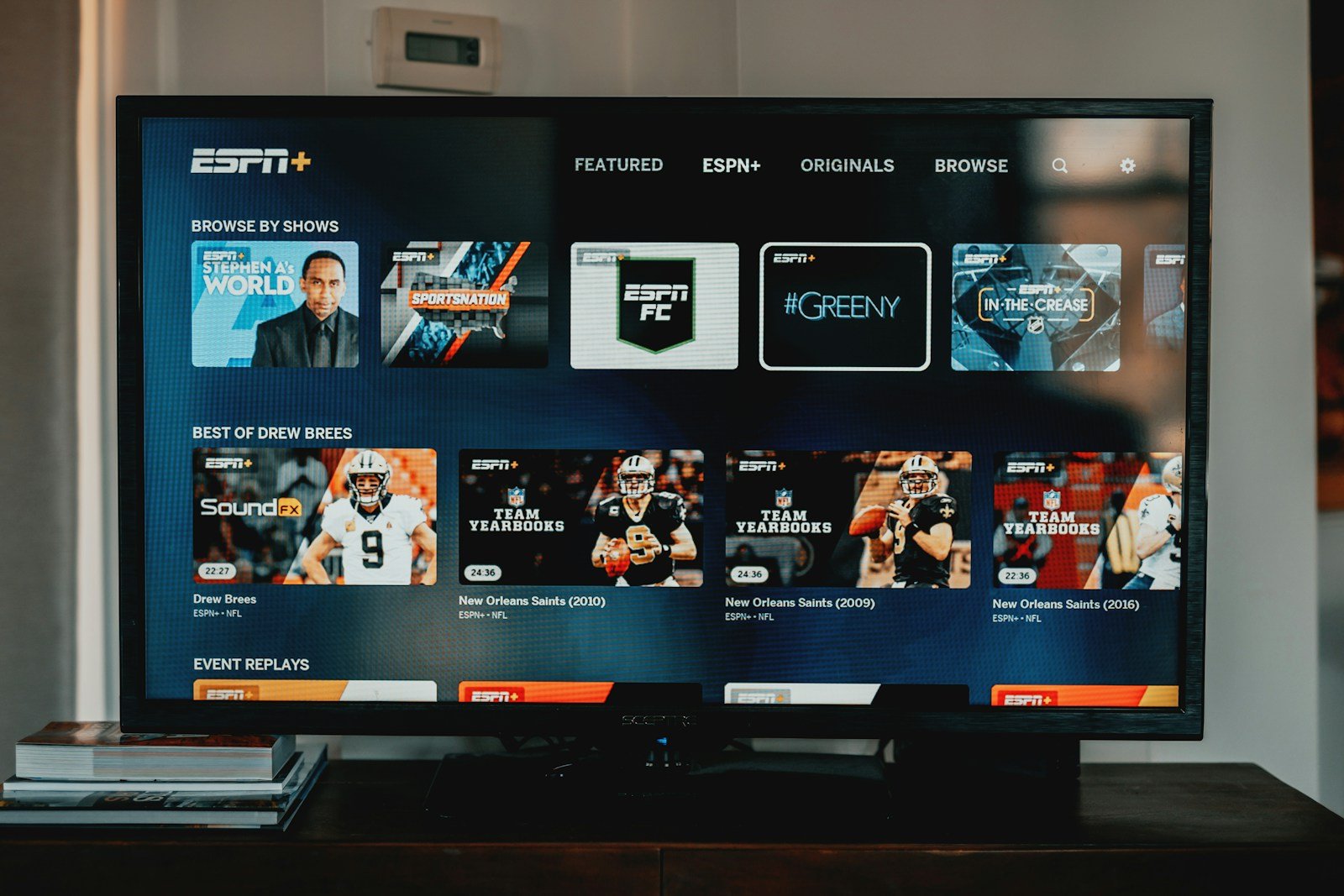
Smart TVs allow you to stream content from platforms like Netflix, Hulu, Disney+, YouTube, and Amazon Prime Video directly, without the need for external devices.

Common operating systems include:

  • Roku TV: User-friendly interface with a vast selection of apps.
  • Fire TV: Amazon’s platform with Alexa integration.
  • Google TV: Personalized recommendations and Google Assistant support.
  • Samsung Tizen OS: Fast and feature-rich smart interface.

LG webOS: Smooth navigation with excellent multitasking.

3. Refresh Rate

A higher refresh rate results in smoother motion, which is especially beneficial for sports and gaming. While 60Hz remains standard for budget TVs, many premium 2026 models now offer 120Hz or even 144Hz support for enhanced gaming performance.

Using a 43-Inch TV as a Gaming Monitor: Pros & Conse

Advantages

  • Larger viewing area
  • Impressive 4K visuals
  • Smooth gameplay on 120Hz/144Hz models
  • HDMI 2.1 support
  • Integrated smart features

Drawbacks

  • Large size for close desk setups
  • Budget models may have weaker gaming performance
  • HDR quality varies significantly between models
  • Input lag can still differ across brands

In short, a 43-inch TV can make a fantastic gaming monitor in 2026—especially if you choose a model with HDMI 2.1, VRR, and low input lag.

4. Connectivity

Ensure the TV has sufficient ports for your needs:

  • HDMI Ports
  • HDMI 2.1 support for gaming
  • USB Ports
  • Wi-Fi 6 or Wi-Fi 6E
  • Ethernet
  • Bluetooth connectivity
  • eARC support for soundbars

5. Audio Quality

While picture quality is paramount, good audio enhances the overall experience. Some TVs now come with Dolby Atmos support for more immersive sound.

However, even the best 43-inch TVs often still have only average built-in speakers due to their slim chassis. Pairing your TV with a compact soundbar remains one of the best upgrades for a more cinematic experience.

What to Expect from Budget 43-Inch TVs

Affordable 43-inch TVs continue to offer excellent value in 2026, but there are still some trade-offs.

Trade-Offs to Keep in Mind:

  • Lower brightness levels
  • Basic HDR performance
  • Standard 60Hz refresh rates
  • Narrower viewing angles
  • Average built-in audio

The Upside:

Even budget models now commonly include:

  • 4K resolution
  • Voice remotes
  • Smart streaming platforms
  • Dolby Audio support
  • Excellent streaming performance

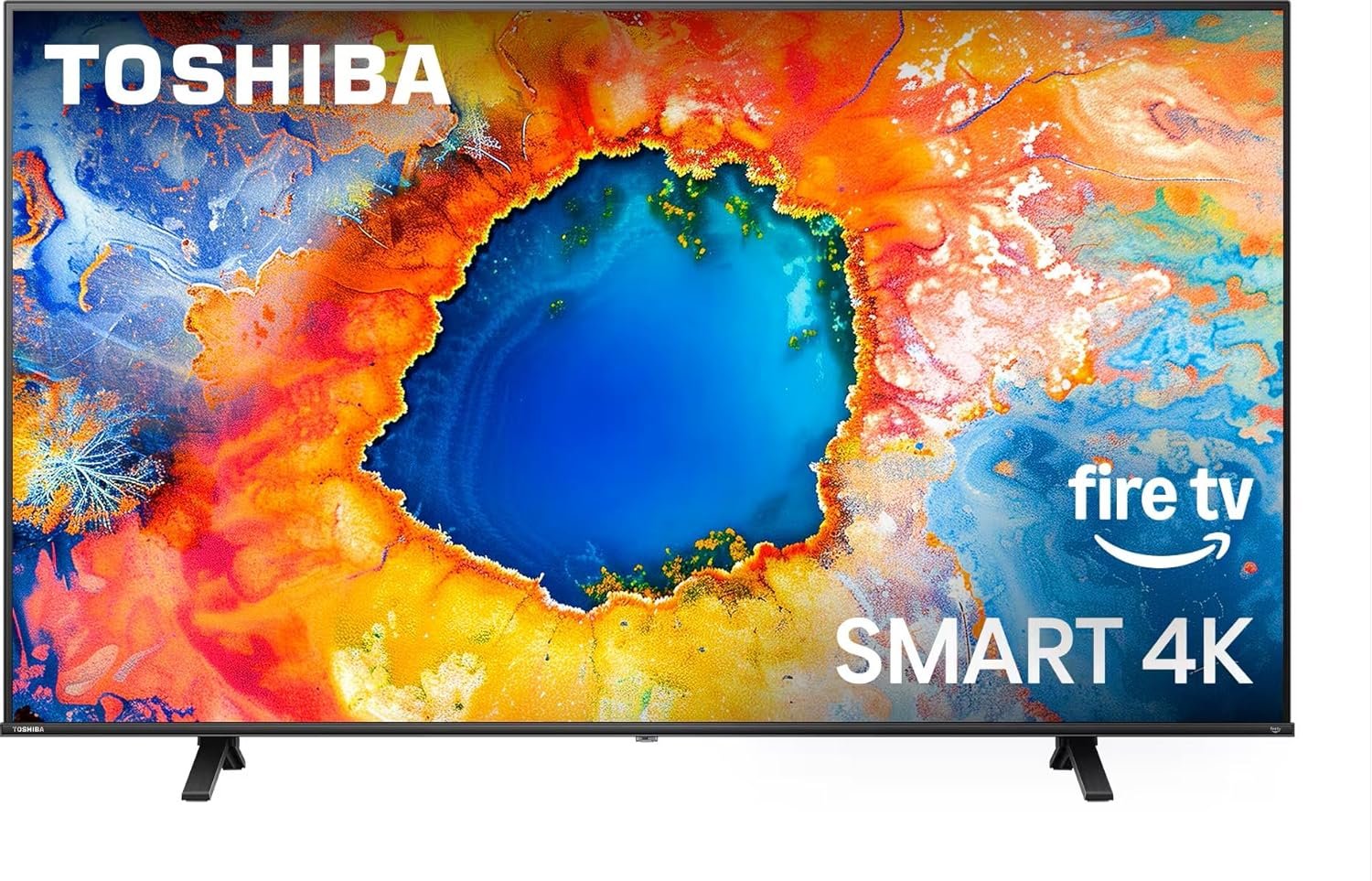
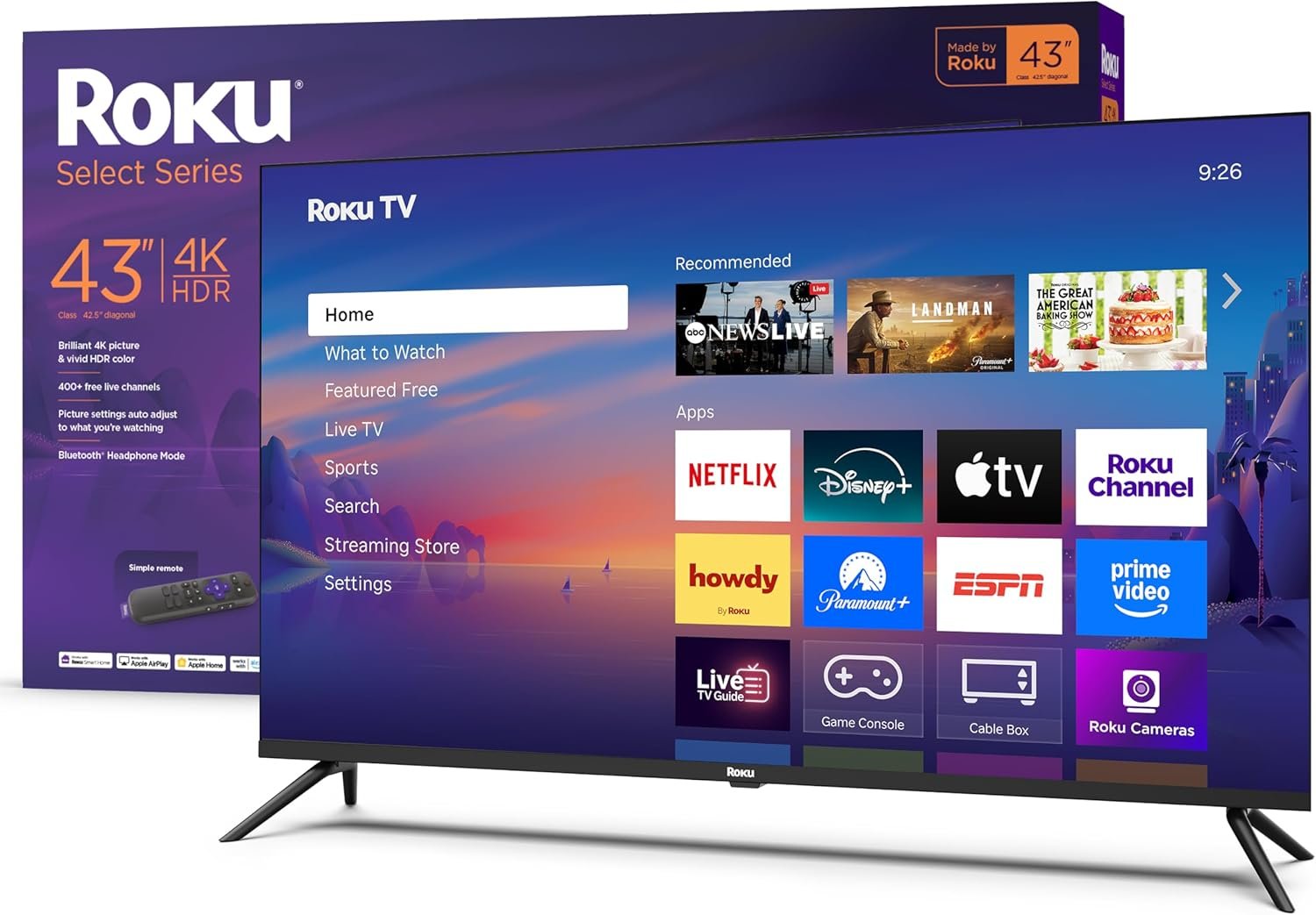
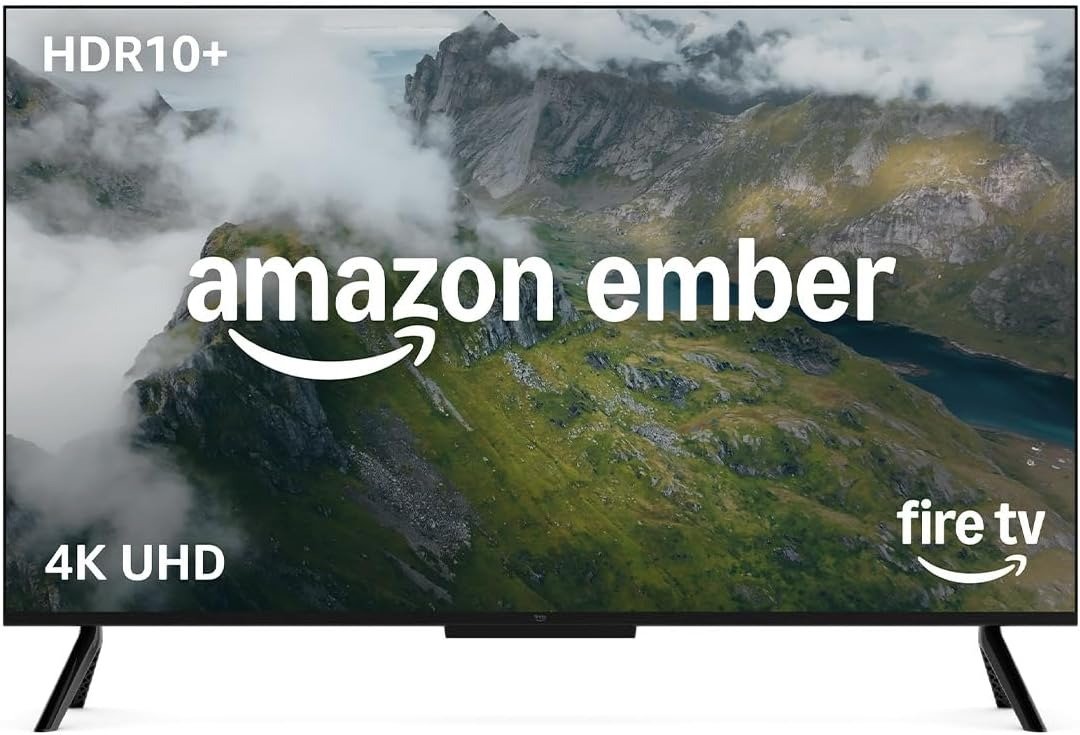
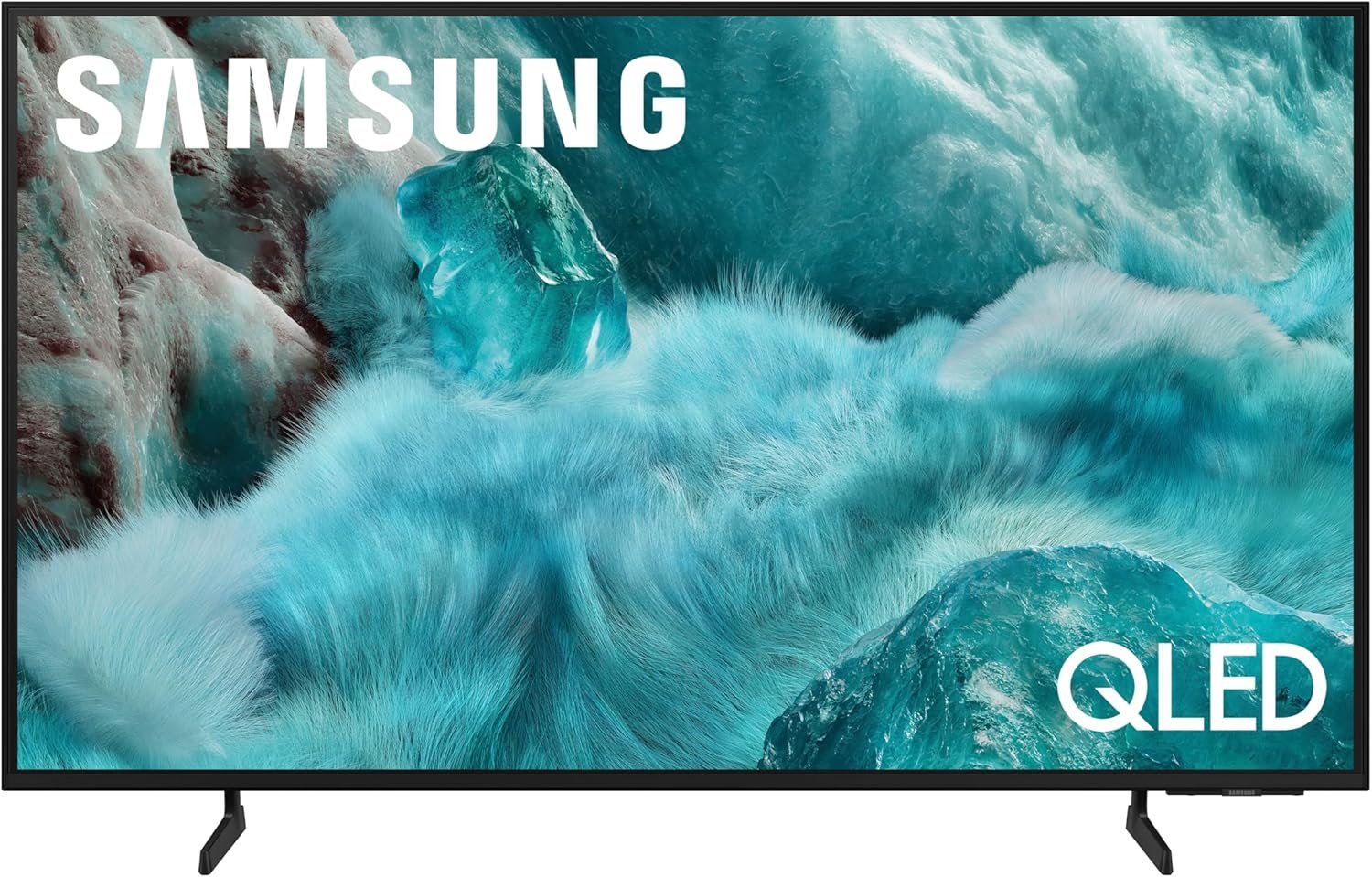
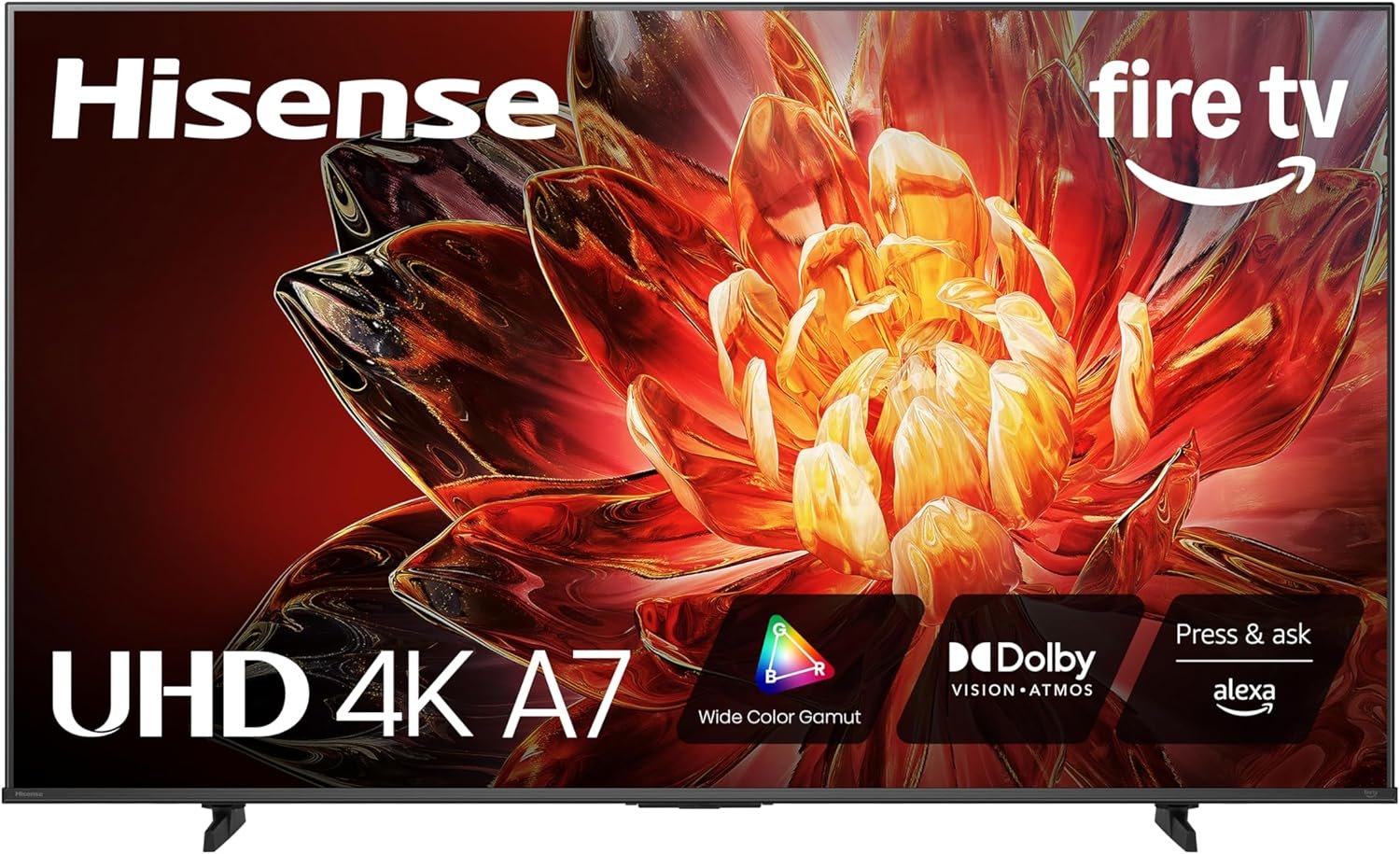
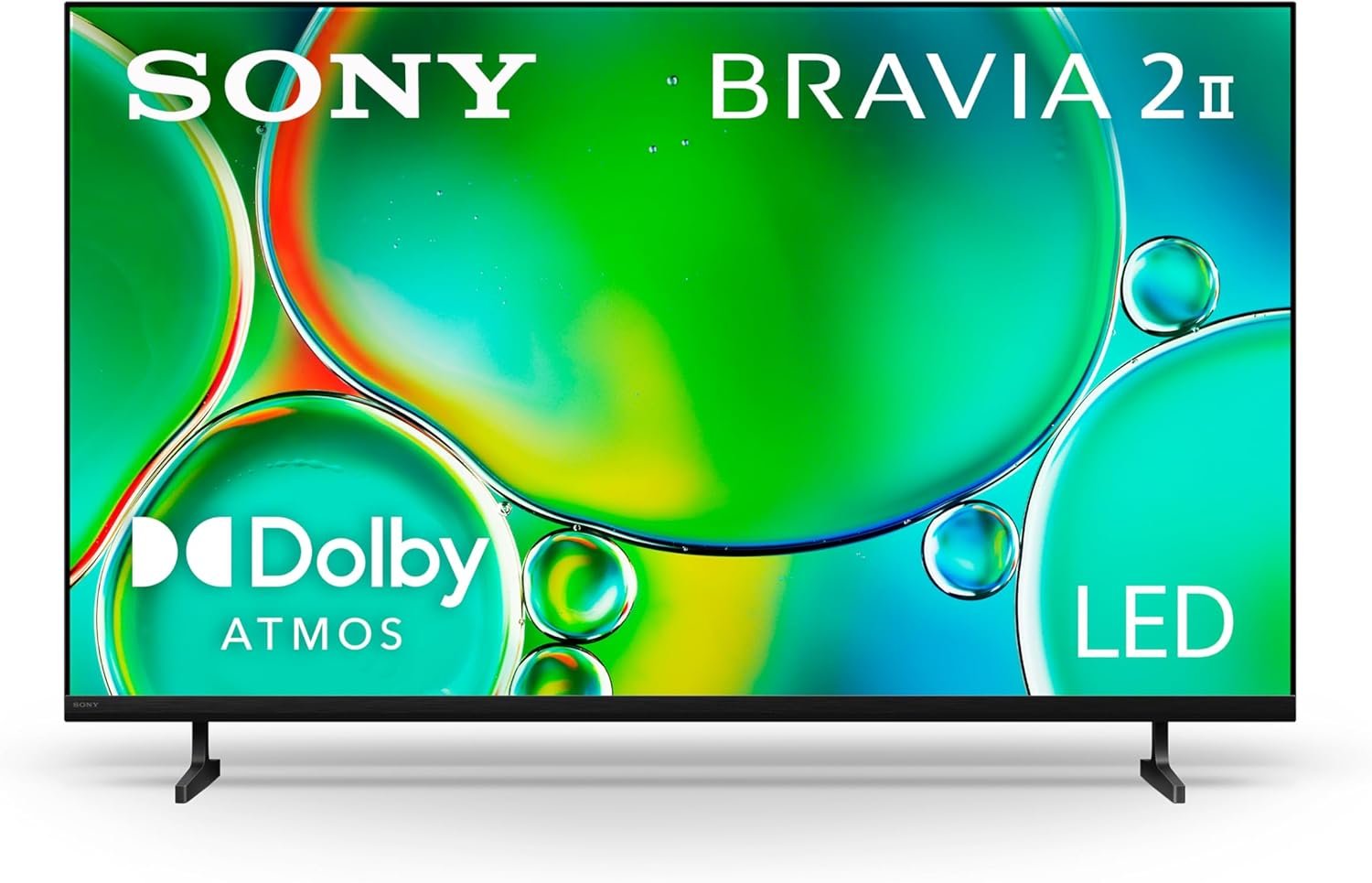
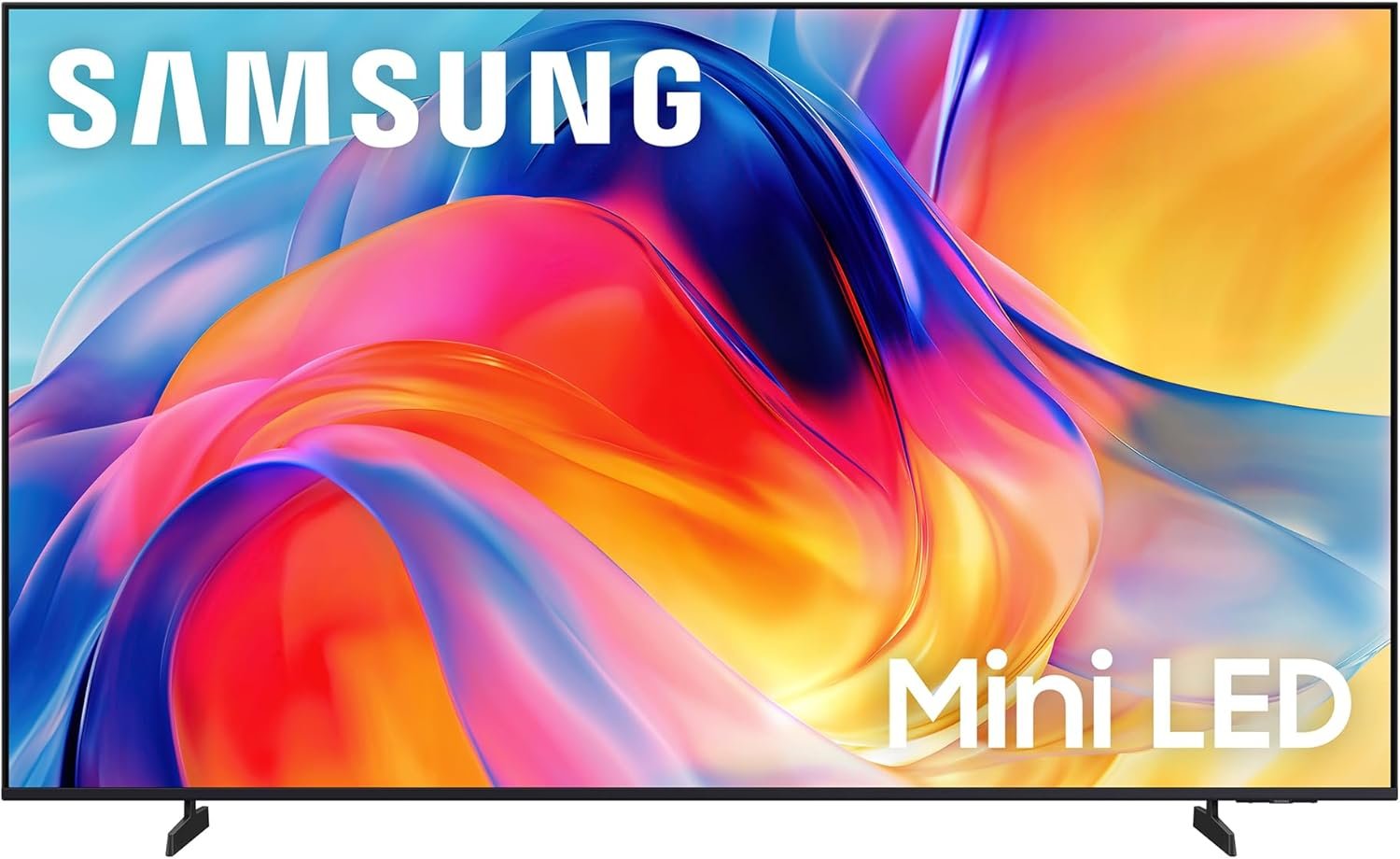
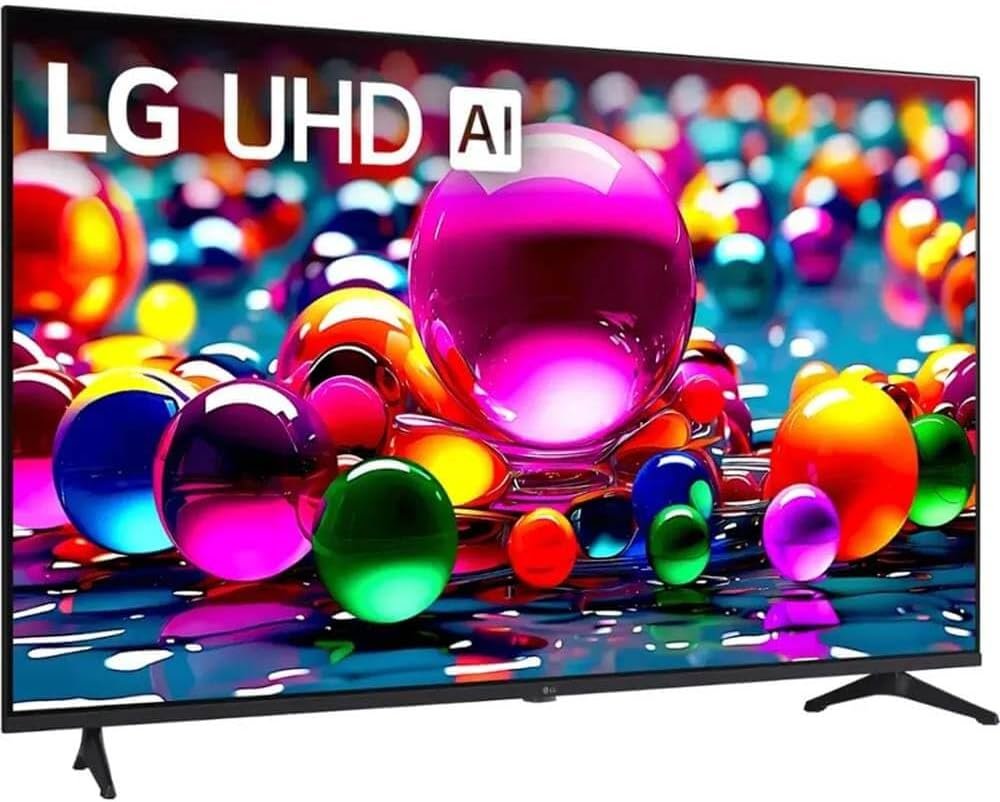
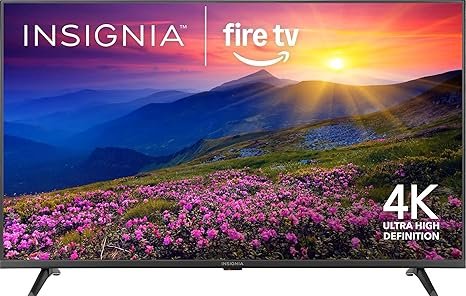
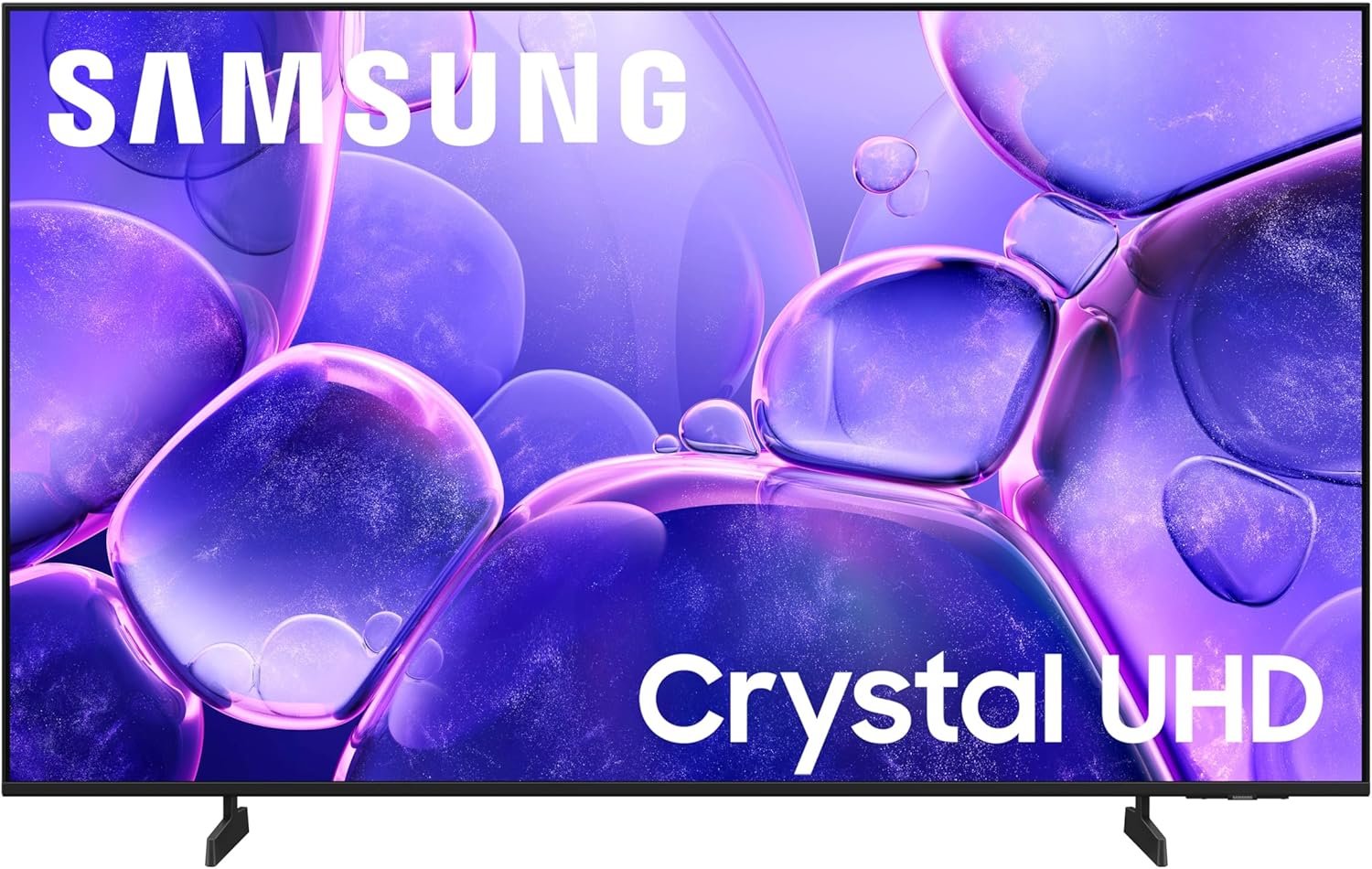
Top 43-Inch TVs (2026)

Buying Tips

  • Measure Your Space
  • Check for Deals during Prime Day, Black Friday, and holiday sales
  • Read Customer Reviews carefully
  • Consider Extended Warranties
  • Compare gaming features if buying for PS5 or Xbox Series X

How Much Should You Spend on a 43-Inch TV?

Entry-level Full HD models now start around $120, while most affordable 4K TVs range between $180 and $350 in 2026. Mid-range QLED and Mini LED models typically fall between $400 and $800, while premium OLED models often cost $900 or more.

Balancing your budget and expectations carefully will help you choose the best value for your needs.

Conclusion:

Selecting the right 43-inch TV involves balancing features, performance, and budget. The models highlighted above represent some of the best options available on Amazon in 2026, catering to various preferences and needs. By considering the key features and tips outlined in this guide, you’ll be well-equipped to make an informed decision and elevate your home entertainment experience.

Note: Prices and availability are subject to change. Always check the latest information on Amazon before making a purchase.

Disclosure: As an Amazon Associate, Virtual Studio earns from qualifying purchases. This comes at no additional cost to you and helps support our work.

Facebook
Twitter
Pinterest
LinkedIn

Leave a Comment

Your email address will not be published. Required fields are marked *

On Key

Related Posts

Best TVs Under ₹25,000: A Buyer's Guide

Best TVs Under ₹25,000: A Buyer’s Guide

Discover the best TVs under ₹25,000 in India. Find top-rated TVs from popular brands like Xiaomi, TCL, and LG. Our expert guide helps you choose the perfect TV for your budget and needs.